


Canadians are fleeing the country. Here’s why – and how – they did it
By Lindsay Shepherd
A Halifax couple renting a room in their friend’s house, unable to afford an apartment of their own, feared they would be renters for the rest of their lives.
“That’s a pretty depressing place to be in when you’re in your late 30s,” Ryan, now 40, told True North.
“For eight years we were trying to save and put together a down payment and get into a home and start a family…. As time went on, we were just falling further and further behind. We were making progress, but we could see that the goal was receding over the horizon perpetually.”
On Feb. 14, 2022, amid the debankings of the Freedom Convoy – a movement they were vocally supportive of, Ryan says his and his partner Jessica’s joint bank accounts were frozen.
“At the time, we didn’t know if this was going to last a day or a week or a month. It was very frightening,” Ryan recalled.
Their bank access was restored within a day, but they never received a satisfactory explanation from RBC, and it “left a mark.”
“That was definitely what made the decision for us – we weren’t going to let that happen to us ever again,” Ryan said.
Five months later, in July 2022, the couple sold everything they had, including a piece of land they had bought in Lunenburg, N.S., and settled outside of La Libertad, El Salvador.
Jessica, a graphic designer, and Ryan, a software developer, obtained digital nomad visas through a visa services company called Escape to El Salvador.
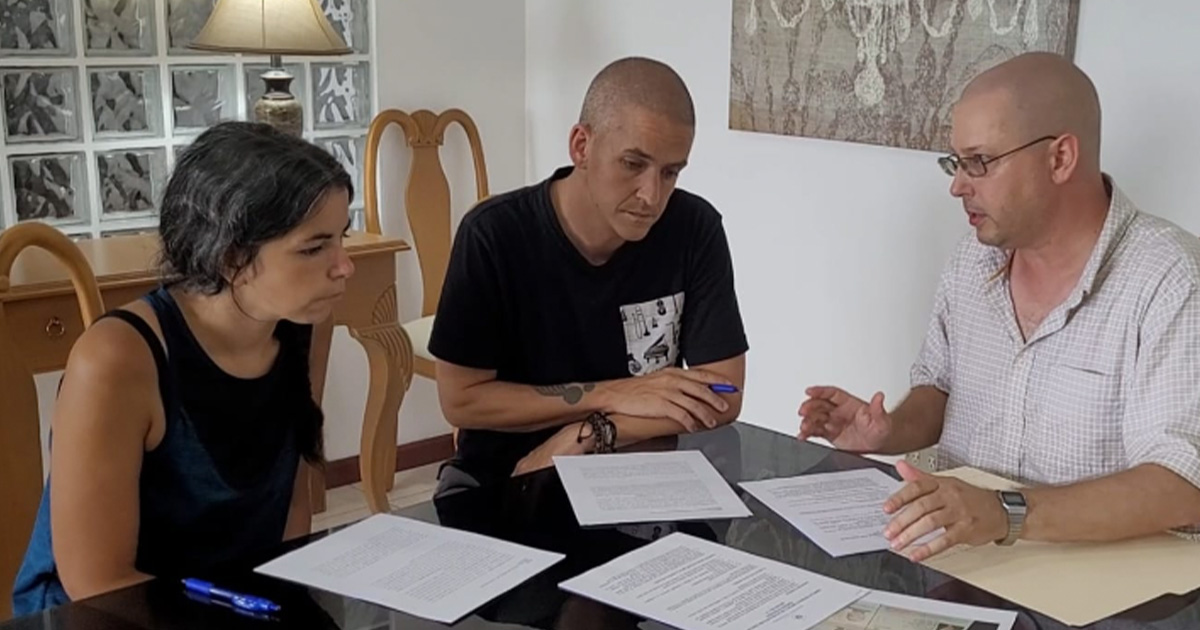
What drew them to the nation was bitcoin’s status as legal tender, a move made in 2021 under president Nayib Bukele.
Ryan and Jessica are not only paid in bitcoin through their work – they shop, buy groceries, fill up their gas tank, pay rent, and pay their cell phone and internet bills entirely with bitcoin.
Apart from using U.S. dollars for local drinking water delivery, the couple say they no longer have any use for fiat currency.
The couple have a type of one-year temporary residency permit that can be renewed again for up to three years. After that they can apply for permanent residency, and citizenship two years later.
That is the plan for Ryan and Jessica, who both currently hold only Canadian citizenship.
The move raised eyebrows from those around them, but they insist it was the right call.
“When we told our friends and family that we were moving to El Salvador, everyone thought that we would end up with our heads lopped off and broke and penniless and with malaria within the first six months,” Ryan said.
“But we feel much safer here in El Salvador than we did in Nova Scotia.”
According to the couple, their purchasing power has increased 300% in El Salvador, so they aren’t looking to return home anytime soon.
“Neither of us have any interest in returning to Canada,” Ryan said. “A lot of people are expecting (Conservative leader) Pierre Poilievre to restore the nation. I don’t think that that is a task that any one prime minister can achieve. The damage is so great, and so extensive and so entrenched, that it’s difficult to imagine Canada becoming a desirable place for us within the remainder of our lifetimes,” Ryan said.
Corrie Bignell, 46, a former nurse from Kitchener, Ont. now residing north of Chinandega, Nicaragua, also moved to Central America amid COVID-19 restrictions and mandates.
“The pandemic hit and I was a nurse at Grand River Hospital, and I didn’t think much of it until I started seeing kind of weird things, like the news would report that we were so busy with patients, but we didn’t have any patients at all,” Bignell recalled.
“I was living in the rat race, going along to get along and, and once that hit, I began to question a lot of things.”
In early 2021, rumours began to circulate in Bignell’s workplace that COVID-19 vaccine mandates were imminent.
Bignell would meet with her friends during the lockdowns – her pals parking their cars further down the street so that neighbours wouldn’t snitch on the unsanctioned gathering – and discuss their exit plans in case their jobs became jeopardized.
“I said if that happens, then I have to sell my house and I have to leave because I’m not safe here anymore,” Bignell said. “And I am a single mom, and I had a mortgage on my house and it was my forever home. I bought it off my family when my grandmother died. And so that house meant everything to me, but I knew there was something inside of my stomach that was like, you just have to leave if that happens.”
The rumours came to pass in September 2021, with Ontario mandating COVID-19 vaccines for healthcare workers. On Oct. 12, Bignell was placed on unpaid leave for being unvaccinated. And in late November, she left Canada.
Her house sold within a few days of being listed.
full story at https://tnc.news/2024/03/10/canadians-fleeing-the-country/
Tags: Canadian conservatives, Canadian news, Canadian politics, Canadians are fleeing the country. Here’s why – and how – they did it, Conservative Canadians, conservatives, pipelines, right for CanadaCategorised in: Canadian News