

In a case that made Canadian legal history, Ontario man convicted of impaired operation of a canoe
 Brian Platt
It is easy to laugh at the idea of drinking and canoeing. But the Sillars case shows how devastating the consequences of a boating accident can be
It was late afternoon in April 2017 when police dispatch received a report of a drunk man stumbling around on a freeway ramp in Ontario’s cottage country.
Two Ontario Provincial Police constables were close by and responded within minutes. When they arrived, they found 37-year-old David Sillars soaking wet, shoeless and shivering in the cold April weather. He could barely form sentences due to hypothermia. But he eventually managed to get an urgent message to the officers: A young boy was still in the river.
This was the start of a chain of events that would make Canadian legal history. On Thursday, in a courtroom in Oshawa, Ont., Sillars became the first Canadian to be convicted of impaired driving charges for the act of paddling a canoe.
The case is so novel that it required a special ruling last fall on whether the Criminal Code’s vague language around “vessels” means a canoe counts under impaired driving laws. Justice Peter West pored over dictionary definitions, shipping regulations and other marine laws. He also looked at the House of Commons, where in the fall of 2017 — just six months after Sillars was charged — MPs rejected a justice department proposal to clarify that paddling is not impaired driving.
Alcohol and water don’t mix
Weighing all of this, Justice West concluded that yes, canoes count — and so does pretty much anything else that transports you over water. In the eyes of the law, then, being drunk while paddling an inflatable dinghy is the same thing as being drunk while driving a pickup truck. Smoking a joint and paddling a canoe is equal to smoking a joint and driving a car. All of the same penalties, including mandatory minimum sentences, apply. Yet you cannot be charged for impaired operation of a bike, because the Criminal Code says land vehicles must be motorized to count.
But all of this was still far off in the future on that April afternoon in 2017, when Sillars was sitting in a police cruiser trying to warm up and explain what happened.
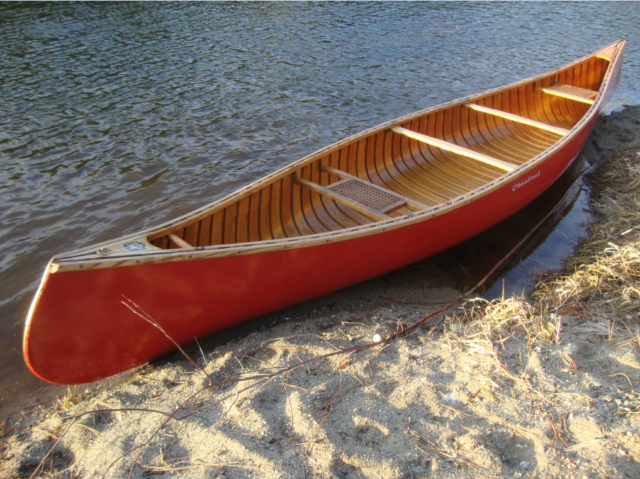
Sillars had been hanging out and drinking at a friend’s cottage when he decided to go canoeing on the Muskoka River with his girlfriend’s son, eight-year-old Thomas Rancourt. They paddled toward a floating yellow barrier that warned boaters about a dam and the High Falls waterfall that dropped 50 feet onto rocks.
Tags: Canadian conservatives, Canadian news, Canadian politics, Conservative Canadians, conservatives, In a case that made Canadian legal history, Ontario man convicted of impaired operation of a canoe, pipelines, right for Canada
Categorised in: Canadian News